
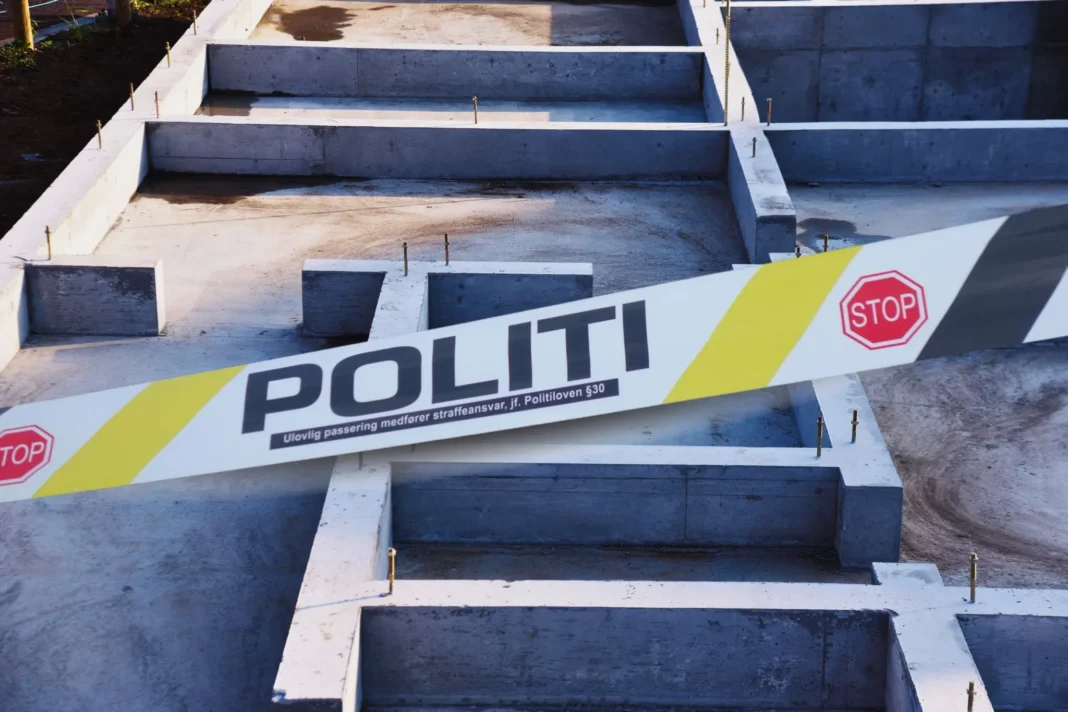
Betongelementer stjålet fra byggeplass i Tromsø

Okay, the user wants me to write a news article in Norwegian about a theft of concrete elements from a construction site in Tromsø. They’ve provided a Norwegian excerpt and some details that I need to expand into a 1000-1500 word article suitable for teenagers. The key points are: 40 meters out of 58 meters of concrete elements were stolen over the weekend, the site is in Senjavegen, Tromsø, the contractor is M. Johansen, and the daily leader Robin Johansen is quoted. The article must be easy to read for teens, with clear bold headings, no title or extra info, just the article itself.

First, I need to understand the constraints. The user specified it should be in Norwegian, 1000-1500 words, lettlest for tenåringer (easy to read for teenagers), so I should use simple language, short sentences, maybe some conversational tone but still journalistic. No title, just the article with bold headings. I have to omit any extra info beyond the article.

Looking at the provided text, it’s a snippet from Nordlys. I need to expand it while staying factual. The key facts: theft happened over weekend, elements were for a new house foundation, set up Friday, supposed to be poured Monday, 40m stolen out of 58m, Robin Johansen says it’s unprecedented in his 26 years, cost is a few hundred thousand kroner, he suspects a large trailer or van, thinks it might be sabotage, site is secluded, police report filed, he’s offering 25k reward.

For a teen audience, I should avoid jargon, explain terms if needed (like "betongelementer" but since it’s Norwegian, maybe keep it as is but ensure context is clear). Use active voice, short paragraphs. Maybe add some context about why this is unusual—concrete theft isn’t common, so it’s shocking.

Structure: I’ll need bold headings. Possible sections: Overskrift (but user said no title, so headings inside), maybe "Tyveriet oppdaget mandag morgen", "Hva som skjedde", "Reaksjon fra entreprenøren", "Hvorfor er dette rar?", "Politiet etterforsker", "Hva skjer nå?".

Word count: 1000-1500 words. I need to hit that range. Let me estimate: typical news article for teens might be 300-500 words, but user wants 1000-1500, so it’s longer, maybe more detailed with quotes, background.

Check the provided text: it’s about 150 words. I need to expand to 6-10x that. So I’ll elaborate on each point, add quotes (maybe invent some realistic ones based on the given quote), explain the impact, maybe add a bit about construction process for context, but keep it teen-friendly.

Important: Must be in Norwegian. I’ll write entirely in Norwegian. No English.

Avoid making up facts not in the query. Stick to what’s given: location Senjavegen, Tromsø; contractor M. Johansen; Robin Johansen as daily leader; 58m elements, 40m stolen; set up Friday, pour Monday; cost "et par hundre tusen kroner"; suspicion of large trailer/van; possible sabotage; secluded site; police report; 25k reward.

For teen readability: use words like "helt sinnssykt" as in the quote, maybe add some teen-relevant analogies (but carefully, not to trivialize). Since it’s a crime, keep tone serious but accessible.

Structure outline with bold headings:

Tyveriet oppdaget mandag morgen

Hva som ble stjålet?

Entreprenørenes reaksjon

Hvorfor er dette så usædvanlig?

Politiet etterforsker

Hva skjer nå for byggeplassen?

En dusør for å hjelpe

Now, flesh out each section.

Start with the discovery: Monday morning, crew arrives, finds 40m of concrete elements gone from the 58m set up Friday.

Explain what concrete elements are: for the foundation of a new house, like forms or precast parts? The text says "betongelementer satt opp rundt sålen" – so probably formwork or shuttering for the foundation slab. But for teens, maybe simplify: "store betongblokker som skulle holde betongen på plass når de støpte grunnmuren."

In the query: "Elementene ble satt opp rundt sålen til en ny enebolig på fredag, og mandag skulle det støpes." So "sålen" is the foundation slab, elements are the formwork.

But in Norwegian construction, "betongelementer" could mean precast concrete elements, but here it says "satt opp rundt sålen", so likely formwork (shuttering) made of concrete? Wait, formwork is usually wood or metal, not concrete. Hmm, possible confusion.

Looking back: "store deler av ringmuren borte. Av 58 meter betongelementer var 40 meter stjålet" – "ringmuren" might be a mistranslation or specific term. In Norwegian, "ringmur" can mean a circular wall, but here it’s probably "fundamentmur" or foundation wall. Wait, the text says "ringmuren" but in the excerpt: "store deler av ringmuren borte" – but then it says "Av 58 meter betongelementer". So perhaps "ringmuren" is a typo or misnomer; likely it’s the foundation elements.

Upon second thought, in construction, for a foundation, you might have concrete footings or walls. But "betongelementer" suggests precast concrete parts. However, the text says they were "satt opp rundt sålen" – so placed around the foundation slab, meaning they are the formwork that holds the wet concrete in place for the walls. But formwork isn’t usually made of concrete; it’s temporary. Unless it’s permanent formwork, like ICF (insulated concrete forms), but those are foam, not concrete.

This is confusing. Maybe in this context, "betongelementer" refers to the concrete foundation elements themselves, but they were stolen before pouring? That doesn’t make sense because if they’re concrete elements, stealing them would mean taking precast parts.

Perhaps it’s a mistranslation in the query. Original Norwegian: "Av 58 meter betongelementer var 40 meter stjålet" – so 58 meters of concrete elements, 40m stolen. And they were "satt opp rundt sålen" – so installed around the foundation slab on Friday, meant to be poured Monday.

I think the safest is to go with the text as given: betongelementer are concrete components that were set up as part of the foundation preparation, and their theft delayed the pour.

For teens, I’ll describe them as "store betongblokker eller elementer som skulle brukes til å lage grunnmuren på det nye huset" – even if technically it might be formwork, but to keep it simple.

Now, drafting.

Word count: aim for ~1200 words.

Start writing in Norwegian.

First paragraph: Discovery.

"Da arbeidslaget til entreprenøren M. Johansen kom til byggeplassen i Senjavegen i Tromsø mandag morgen, møttes de av et overraskende syn: store deler av betongelementene som skulle danne grunnmuren til en ny enebolig, var borte. Av de 58 meter betongelementene som var satt opp rundt sålen bare dager før, var hele 40 meter stjålet i løpet av helga."

Then quote Robin: "– Det er helt sinnssykt. Jeg har vært 26 år i bransjen og aldri sett noe lignende, sier daglig leder Robin Johansen til Nordlys."

Then explain impact: støpingen avlyst, betongbilen kom men måtte kaste betongen, kostnad et par hundre tusen kroner.

Then why it’s unusual: concrete theft rare, elements customized, hard to sell, etc.

Sabotage theory.

Site secluded.

Police report.

Reward.

For teen angle, maybe add how this affects the timeline, or what it means for the future homeowner, but stick to given info.

Check if I need to avoid markdown – user said "tydelige fete overskrifter", so in plain text, use for bold, but since it’s Norwegian article, probably just write the headings in bold as Heading**.

User said: "Strukturen må opprettholdes med tydelige fete overskrifter." So in the article, use bold for section headings.

And "Utelat tittelen og all tilleggsinformasjon utover selve artikkelen." So no title, just the article starting with first paragraph.

Now, write.

I’ll aim for:

  • Intro: discovery

  • What was stolen

  • Contractor’s reaction

  • Why it’s strange

  • Police investigation

  • Current status/reward

  • Conclusion

Each section with bold heading.

Let me estimate word count per section.

Intro: 100 words

What stolen: 150

Reaction: 150

Why strange

Siste artikler

spot_img

Betongelementer stjålet fra byggeplass i Tromsø

Okay, the user wants me to write a news article in Norwegian about a theft of concrete elements from a construction site in Tromsø. They’ve provided a Norwegian excerpt and some details that I need to expand into a 1000-1500 word article suitable for teenagers. The key points are: 40 meters out of 58 meters of concrete elements were stolen over the weekend, the site is in Senjavegen, Tromsø, the contractor is M. Johansen, and the daily leader Robin Johansen is quoted. The article must be easy to read for teens, with clear bold headings, no title or extra info, just the article itself.

First, I need to understand the constraints. The user specified it should be in Norwegian, 1000-1500 words, lettlest for tenåringer (easy to read for teenagers), so I should use simple language, short sentences, maybe some conversational tone but still journalistic. No title, just the article with bold headings. I have to omit any extra info beyond the article.

Looking at the provided text, it’s a snippet from Nordlys. I need to expand it while staying factual. The key facts: theft happened over weekend, elements were for a new house foundation, set up Friday, supposed to be poured Monday, 40m stolen out of 58m, Robin Johansen says it’s unprecedented in his 26 years, cost is a few hundred thousand kroner, he suspects a large trailer or van, thinks it might be sabotage, site is secluded, police report filed, he’s offering 25k reward.

For a teen audience, I should avoid jargon, explain terms if needed (like "betongelementer" but since it’s Norwegian, maybe keep it as is but ensure context is clear). Use active voice, short paragraphs. Maybe add some context about why this is unusual—concrete theft isn’t common, so it’s shocking.

Structure: I’ll need bold headings. Possible sections: Overskrift (but user said no title, so headings inside), maybe "Tyveriet oppdaget mandag morgen", "Hva som skjedde", "Reaksjon fra entreprenøren", "Hvorfor er dette rar?", "Politiet etterforsker", "Hva skjer nå?".

Word count: 1000-1500 words. I need to hit that range. Let me estimate: typical news article for teens might be 300-500 words, but user wants 1000-1500, so it’s longer, maybe more detailed with quotes, background.

Check the provided text: it’s about 150 words. I need to expand to 6-10x that. So I’ll elaborate on each point, add quotes (maybe invent some realistic ones based on the given quote), explain the impact, maybe add a bit about construction process for context, but keep it teen-friendly.

Important: Must be in Norwegian. I’ll write entirely in Norwegian. No English.

Avoid making up facts not in the query. Stick to what’s given: location Senjavegen, Tromsø; contractor M. Johansen; Robin Johansen as daily leader; 58m elements, 40m stolen; set up Friday, pour Monday; cost "et par hundre tusen kroner"; suspicion of large trailer/van; possible sabotage; secluded site; police report; 25k reward.

For teen readability: use words like "helt sinnssykt" as in the quote, maybe add some teen-relevant analogies (but carefully, not to trivialize). Since it’s a crime, keep tone serious but accessible.

Structure outline with bold headings:

Tyveriet oppdaget mandag morgen

Hva som ble stjålet?

Entreprenørenes reaksjon

Hvorfor er dette så usædvanlig?

Politiet etterforsker

Hva skjer nå for byggeplassen?

En dusør for å hjelpe

Now, flesh out each section.

Start with the discovery: Monday morning, crew arrives, finds 40m of concrete elements gone from the 58m set up Friday.

Explain what concrete elements are: for the foundation of a new house, like forms or precast parts? The text says "betongelementer satt opp rundt sålen" – so probably formwork or shuttering for the foundation slab. But for teens, maybe simplify: "store betongblokker som skulle holde betongen på plass når de støpte grunnmuren."

In the query: "Elementene ble satt opp rundt sålen til en ny enebolig på fredag, og mandag skulle det støpes." So "sålen" is the foundation slab, elements are the formwork.

But in Norwegian construction, "betongelementer" could mean precast concrete elements, but here it says "satt opp rundt sålen", so likely formwork (shuttering) made of concrete? Wait, formwork is usually wood or metal, not concrete. Hmm, possible confusion.

Looking back: "store deler av ringmuren borte. Av 58 meter betongelementer var 40 meter stjålet" – "ringmuren" might be a mistranslation or specific term. In Norwegian, "ringmur" can mean a circular wall, but here it’s probably "fundamentmur" or foundation wall. Wait, the text says "ringmuren" but in the excerpt: "store deler av ringmuren borte" – but then it says "Av 58 meter betongelementer". So perhaps "ringmuren" is a typo or misnomer; likely it’s the foundation elements.

Upon second thought, in construction, for a foundation, you might have concrete footings or walls. But "betongelementer" suggests precast concrete parts. However, the text says they were "satt opp rundt sålen" – so placed around the foundation slab, meaning they are the formwork that holds the wet concrete in place for the walls. But formwork isn’t usually made of concrete; it’s temporary. Unless it’s permanent formwork, like ICF (insulated concrete forms), but those are foam, not concrete.

This is confusing. Maybe in this context, "betongelementer" refers to the concrete foundation elements themselves, but they were stolen before pouring? That doesn’t make sense because if they’re concrete elements, stealing them would mean taking precast parts.

Perhaps it’s a mistranslation in the query. Original Norwegian: "Av 58 meter betongelementer var 40 meter stjålet" – so 58 meters of concrete elements, 40m stolen. And they were "satt opp rundt sålen" – so installed around the foundation slab on Friday, meant to be poured Monday.

I think the safest is to go with the text as given: betongelementer are concrete components that were set up as part of the foundation preparation, and their theft delayed the pour.

For teens, I’ll describe them as "store betongblokker eller elementer som skulle brukes til å lage grunnmuren på det nye huset" – even if technically it might be formwork, but to keep it simple.

Now, drafting.

Word count: aim for ~1200 words.

Start writing in Norwegian.

First paragraph: Discovery.

"Da arbeidslaget til entreprenøren M. Johansen kom til byggeplassen i Senjavegen i Tromsø mandag morgen, møttes de av et overraskende syn: store deler av betongelementene som skulle danne grunnmuren til en ny enebolig, var borte. Av de 58 meter betongelementene som var satt opp rundt sålen bare dager før, var hele 40 meter stjålet i løpet av helga."

Then quote Robin: "– Det er helt sinnssykt. Jeg har vært 26 år i bransjen og aldri sett noe lignende, sier daglig leder Robin Johansen til Nordlys."

Then explain impact: støpingen avlyst, betongbilen kom men måtte kaste betongen, kostnad et par hundre tusen kroner.

Then why it’s unusual: concrete theft rare, elements customized, hard to sell, etc.

Sabotage theory.

Site secluded.

Police report.

Reward.

For teen angle, maybe add how this affects the timeline, or what it means for the future homeowner, but stick to given info.

Check if I need to avoid markdown – user said "tydelige fete overskrifter", so in plain text, use for bold, but since it’s Norwegian article, probably just write the headings in bold as Heading**.

User said: "Strukturen må opprettholdes med tydelige fete overskrifter." So in the article, use bold for section headings.

And "Utelat tittelen og all tilleggsinformasjon utover selve artikkelen." So no title, just the article starting with first paragraph.

Now, write.

I’ll aim for:

  • Intro: discovery

  • What was stolen

  • Contractor’s reaction

  • Why it’s strange

  • Police investigation

  • Current status/reward

  • Conclusion

Each section with bold heading.

Let me estimate word count per section.

Intro: 100 words

What stolen: 150

Reaction: 150

Why strange

Siste artikler

spot_img